
Tooth Bonding
Reveal Your Flawless Smile
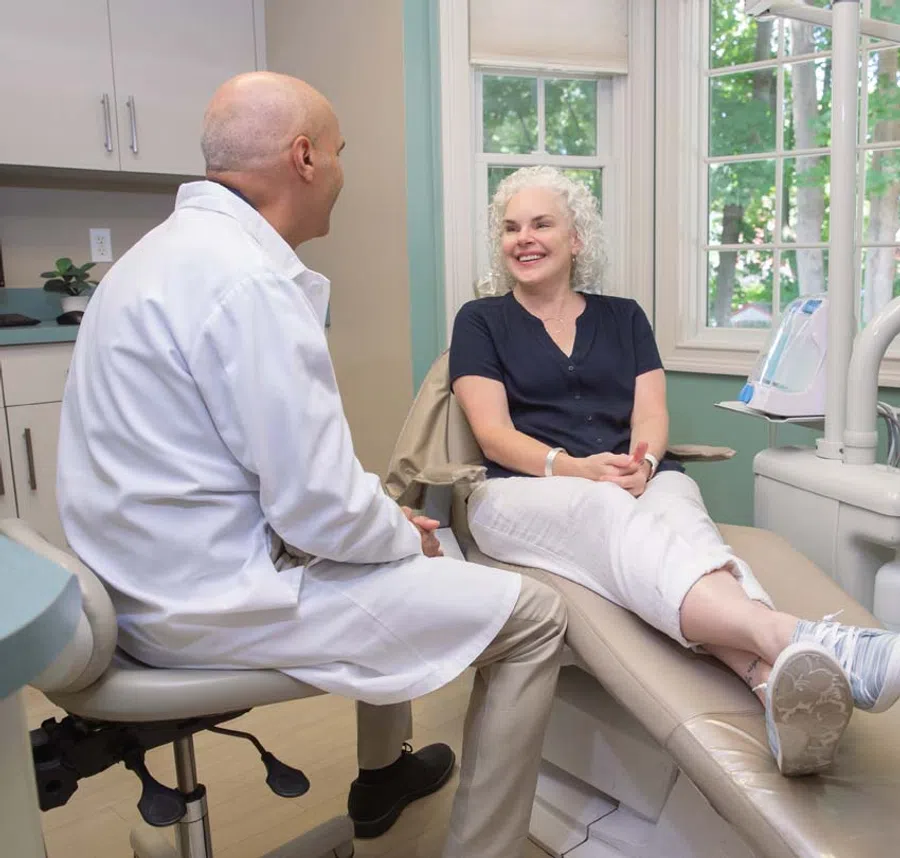
Fix Your Dental Flaws Using Tooth Bonding in East Lyme
Small imperfections can bother you more than they should. A chip or a crack in your tooth can distract from your smile. Tooth bonding in East Lyme fixes these issues without a complicated process. Your dentist applies a tooth-colored material directly to the affected tooth, then shapes it to blend in seamlessly.
In most cases, you can expect to complete treatment in a single visit, often without the need for anesthesia. You also keep more of your natural tooth intact. Bonding is affordable and reversible if you want to pursue other options later.
Explore What Happens During Cosmetic Bonding
Your bonding appointment starts with a consultation. Your dentist discusses your goals. We check that bonding is the perfect fit for your specific concern. If another procedure suits you better, we'll explore that instead. Teeth whitening may be the best option to whiten your teeth. Veneers may be more suitable for more significant flaws.
If bonding is right for your goals, you can expect:
- Chip and Crack Repair - Bonding covers chips and cracks on your teeth. Using a custom-matched, tooth-colored material, your dentist shapes the material around your tooth. He'll ensure the bonding blends in with other teeth.
- Gap and Spacing Correction - If small gaps between your teeth bother you, bonding can help close them. You may be able to avoid orthodontic treatment if it's a cosmetic-only concern.
- Tooth Reshaping - Bonding can address teeth that are slightly uneven, short, or oddly shaped. You gain a uniform look without removing natural tooth structure.
- Color Correction - For teeth discoloration that whitening can't resolve, bonding is another option. Your dentist blends the composite to match the surrounding teeth, masking the discoloration.
Caring for your results afterward is simple. Regular brushing, flossing, and routine cleanings help your bonding last as long as possible.
Beautify your smile with tooth bonding in East Lyme.
Common Questions About Tooth Bonding
Q How long does a tooth bonding procedure take?
Tooth bonding is typically completed in a single visit, often within an hour. The timing largely depends on how many teeth are involved. Your dentist prepares the tooth, applies the material, shapes it, and hardens it with LED technology all in one appointment. You'll leave the same day with your results already in place.
Q Does tooth bonding hurt?
Tooth bonding typically doesn't require anesthesia and causes little to no discomfort. Since the procedure doesn't involve removing much of your natural tooth structure, there's minimal sensitivity involved. Most patients describe the process as quick and easy.
Q How long does tooth bonding last?
Tooth bonding can last several years with proper care, though it may not last as long as options like veneers or crowns. Maintaining good oral hygiene and attending regular checkups helps extend its lifespan. Avoiding habits like nail-biting or chewing on hard objects also helps protect your results.
Q Is tooth bonding reversible?
Tooth bonding is considered a reversible treatment, unlike veneers or crowns. Since it doesn't require significant removal of your natural tooth structure, you can pursue other cosmetic options later if you choose. This makes bonding a lower-commitment way to address minor imperfections.
Q What issues can tooth bonding fix?
Tooth bonding can fix a range of minor imperfections, including chips, cracks, small gaps, and slight discoloration. It also works well for reshaping teeth that appear uneven or oddly shaped. Your dentist will evaluate your specific concern to confirm bonding is the right solution.
Q How much does tooth bonding cost compared to other cosmetic treatments?
Tooth bonding is generally more affordable than treatments like veneers or crowns, since it requires less material and a shorter appointment. The exact cost depends on how many teeth are treated and the complexity of the repair. Many patients choose bonding specifically for its lower cost and quick turnaround.
Q Can bonding match the color of your natural teeth?
Your dentist custom-blends the composite bonding material to match the shade and translucency of your natural teeth. This careful color-matching helps the bonding blend in seamlessly, rather than standing out. The goal is a result that looks like it's always been part of your smile.
Q Can you combine tooth bonding with other cosmetic treatments?
Bonding pairs well with treatments like professional teeth whitening. Many patients choose to whiten their teeth either before or after bonding to ensure a consistent shade throughout. Your dentist can help you decide on the right order and combination of treatments. This approach helps you achieve a more unified, polished result.