
Dry Mouth
Prevent Tooth Decay & Discomfort
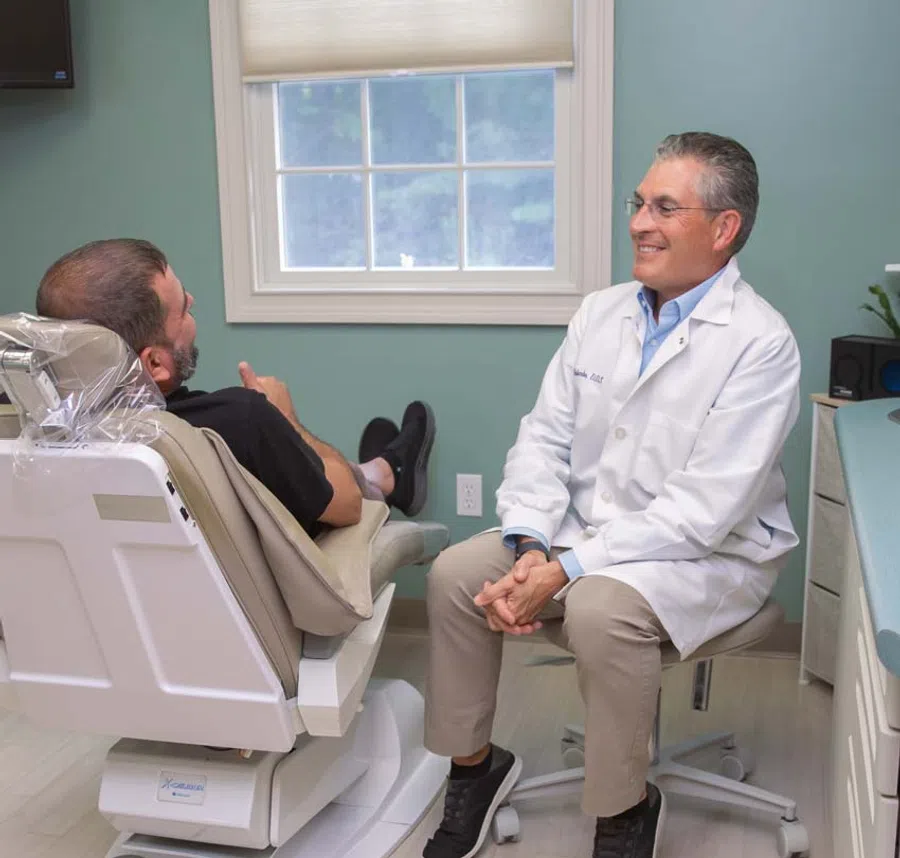
Find Lasting Relief for Dry Mouth in East Lyme
Your mouth relies on saliva more than you might realize. It protects your teeth, helps you chew, and even makes it easier to speak. When that moisture disappears, everyday things start to feel like a challenge. If you have chronic dry mouth in East Lyme, we can provide treatment that offers much-needed relief.
This condition is more than annoying. Left alone, dry mouth can increase your risk of cavities and gum disease. The good news? You don't have to live with it. Your dentist can help you figure out what's causing your dry mouth and build a plan to bring relief. Whether it's a simple lifestyle change or a targeted treatment, you have options.
Explore Our Treatment Options for Chronic Dry Mouth
Dry mouth relief starts with discovering the root cause. Your dentist can recommend solutions tailored to your specific needs and the causes of the condition. You can expect:
- Professional Exam - Your dentist takes the time to understand your symptoms and identify the cause of your dry mouth. This might involve reviewing your medications, health history, or lifestyle habits.
- Prescription-Strength Fluoride Treatment - If dry mouth has increased your risk of decay, your dentist may recommend prescription-strength fluoride. This treatment strengthens your enamel and helps replace some of the protection saliva normally provides.
- Artificial Saliva Solutions - When your body isn't producing enough saliva on its own, artificial saliva products can help fill the gap. These solutions mimic saliva's natural texture and protective qualities. You'll notice improved comfort when eating, speaking, and going about your day.
- Hydration and Lifestyle Guidance - Your dentist will discuss simple changes that support saliva production, such as increasing water intake or raising the humidity in your home. If tobacco or alcohol use is contributing to your symptoms, you'll get honest, practical guidance on how to make changes.
Dry mouth can come from more places than you'd expect. Certain medications reduce saliva as a side effect. Health conditions like diabetes and Sjögren's syndrome can affect your body's moisture balance. If you've gone through radiation treatments, that can impact your salivary glands as well. Even everyday habits, like tobacco use, frequent alcohol consumption, or simply not drinking enough water, can leave your mouth chronically dry.
We'll help you find relief from your dry mouth in East Lyme.
Common Questions About Dry Mouth
Q What causes dry mouth?
Dry mouth can be caused by several different factors, including medications, medical conditions, and lifestyle habits. Common medications like those for allergies, depression, or anxiety often reduce saliva production. Health conditions like diabetes or Sjögren's syndrome can also play a role. Your dentist can help you pinpoint the specific cause behind your symptoms.
Q Can medications cause dry mouth?
Yes, many common medications can cause dry mouth as a side effect. Prescriptions for allergies, depression, and anxiety are frequent culprits. If you've noticed dryness since starting a new medication, it's worth mentioning to your dentist. They can help you manage the side effects without requiring you to stop your treatment.
Q Is dry mouth a serious problem?
Dry mouth can become a serious problem if it's left untreated for too long. Without enough saliva, your risk of cavities and gum disease increases significantly. You may also experience ongoing discomfort, burning, or difficulty speaking and swallowing. Getting it evaluated early helps you avoid these complications down the road.
Q How does dry mouth affect your risk of cavities?
Dry mouth increases your risk of cavities because saliva normally helps wash away food particles and neutralize harmful acids. Without enough saliva, that protection disappears, leaving your teeth more vulnerable to decay. Your dentist may recommend treatments such as prescription fluoride to help restore this lost protection.
Q Can dehydration cause dry mouth?
Yes, dehydration is a common and often overlooked cause of dry mouth. Not drinking enough water or losing fluids through illness or exercise can quickly reduce saliva production. Simple habits like keeping water nearby throughout the day can make a real difference. If dry mouth persists despite proper hydration, it's worth discussing with your dentist.
Q What can you do at home to relieve dry mouth?
You can relieve dry mouth at home by staying hydrated, increasing humidity in your living space, and avoiding tobacco and excessive alcohol use. Sipping water throughout the day, rather than all at once, tends to be more effective. Specialized products that mimic saliva can also offer relief between dental visits. If symptoms continue, your dentist can recommend more targeted treatment.
Q Does cancer treatment cause dry mouth?
Cancer treatment, particularly radiation therapy to the head or neck, can affect your salivary glands. This can lead to temporary or, in some cases, permanent changes in saliva production. If you've undergone this type of treatment, your dentist can help you manage the resulting dry mouth. Targeted solutions can make a meaningful difference in your day-to-day comfort.
Q Can dry mouth affect your speech or ability to eat comfortably?
Yes, dry mouth can make speaking and eating noticeably more difficult. Without enough saliva, your mouth loses the lubrication it needs for smooth chewing and clear speech. This can make everyday conversations and meals feel more challenging than they should. Treating the underlying cause of your dry mouth typically brings noticeable relief in both areas.