
Bone Grafts
Restore Your Oral Health With Implants
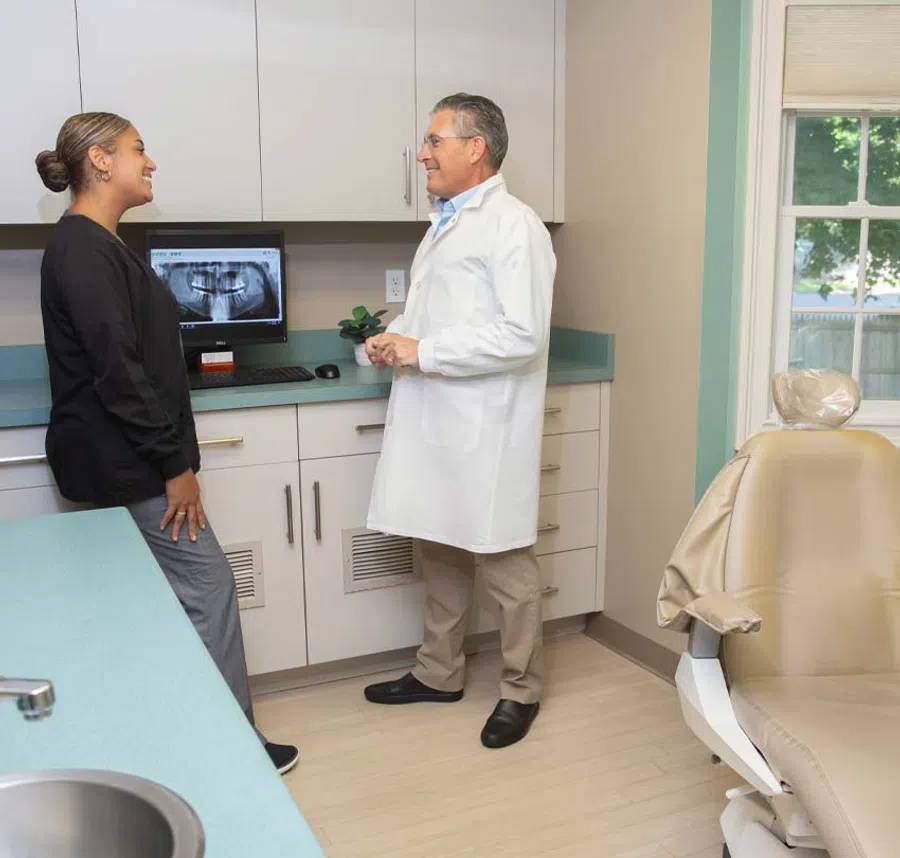
Make Dental Implants a Reality After a Bone Graft in East Lyme
If you've ever been told you aren't a candidate for dental implants because of bone loss in your jaw, a bone graft in East Lyme will change all that. Bone loss occurs when you've lived with missing teeth or worn dentures for an extended period. Bone grafting places bone back in the weak areas of your jaw. It strengthens your jaw to support your implants.
With implants, you'll gain a smile that looks, feels, and functions like your regular teeth. You won't have to worry about the slipping or discomfort that can come with removable dentures.
The benefits go beyond your smile, too. A stronger jaw supports better chewing, which can even help with digestion. You'll feel better overall and gain a boost in your overall health.
See How Bone Grafting Makes Implants Possible
Bone grafts make implants a possibility for many of our patients. Certain procedures, such as All-on-4 dental implants, can potentially help you avoid this type of procedure. However, everyone is unique. Your dentist may recommend it based on your implant needs or the condition of your jaw's bone strength.
If bone grafting is necessary, your dentist will place bone material in the areas that need reinforcement. From there, your body takes over, naturally generating new, healthy bone tissue around the graft. Over time, this creates a solid foundation strong enough to support a dental implant.
Then, we can proceed with procedures, such as:
- Implant Bridges - Once your jaw has healed, an implant-supported bridge can restore one or more missing teeth. Unlike a traditional bridge, this option doesn't require modifying neighboring teeth for support. You'll get a secure, complete smile built on your newly strengthened jawbone.
- Implant Dentures - If you're replacing multiple teeth, implant-supported dentures attach securely to your jaw. It eliminates the slipping and adhesive needs of traditional dentures. You'll enjoy more stability while eating and speaking.
- Full-Mouth Reconstruction - For more extensive needs, your dentist can combine implants with other restorative treatments once your graft has healed. This creates a personalized plan that rebuilds your entire smile, addressing both function and appearance.
Ask about a bone graft in East Lyme during your consultation.
Common Questions About Bone Grafts
Q Why would you need a bone graft before getting dental implants?
You may need a bone graft before getting implants if your jawbone has weakened due to missing teeth, gum disease, or long-term denture wear. Implants need a certain amount of healthy bone to stay securely in place. A bone graft rebuilds that foundation, making implants a viable option again. Your dentist can confirm whether grafting is necessary during your exam.
Q How does bone grafting work?
During bone grafting, your dentist places bone material into the area of your jaw that needs reinforcement. Over the following months, your body naturally generates new, healthy bone tissue around the graft. This process creates a strong foundation capable of supporting a dental implant. Your dentist will monitor your healing to confirm when you're ready for the next step.
Q How long does it take to heal from a bone graft?
Healing from a bone graft typically takes several months, since your body needs time to generate new bone tissue. The exact timeline depends on factors like the size of the graft and your individual healing process. Your dentist will monitor your progress and let you know when you're ready to move forward with implants. While it requires patience, this healing period is essential for a stable, long-term result.
Q Is bone grafting painful?
Bone grafting is performed with your comfort in mind, using local anesthesia and sedation options if needed. Most patients experience manageable discomfort afterward, similar to other minor dental procedures. Your dentist will provide aftercare instructions to help support your healing. Any soreness typically improves within a few days.
Q What tooth replacement options become available after a bone graft heals?
Once your bone graft has healed, options like implant bridges, implant-supported dentures, and full-mouth reconstruction become available. These solutions offer more stability and a more natural feel compared to traditional replacements. Your dentist will help you decide which option best fits your specific needs.
Q Can bone grafting help if you've been wearing dentures for a long time?
Long-term denture wear can contribute to jawbone loss, since there's no natural tooth root to stimulate the bone. Bone grafting can help rebuild that lost structure, opening the door to more stable options like implant-supported dentures. Your dentist can evaluate your jawbone to see if grafting would benefit your situation.
Q Does bone loss affect more than just your smile?
Jawbone loss can affect your facial structure and even how well you chew, which can impact digestion over time. Addressing this loss through bone grafting helps restore not just your smile, but your overall oral function. Many patients notice improvements in comfort and confidence once treatment is complete.
Q Will you definitely need implants after getting a bone graft?
While bone grafting is often done specifically to prepare for implants, your dentist will discuss your full range of options once healing is complete. Depending on your goals and needs, this might include implant bridges, implant dentures, or a broader restorative plan. The graft simply creates the foundation. What you build on it is a decision you'll make together with your dentist.