
Oral Surgery
Get Relief With Surgery Procedures
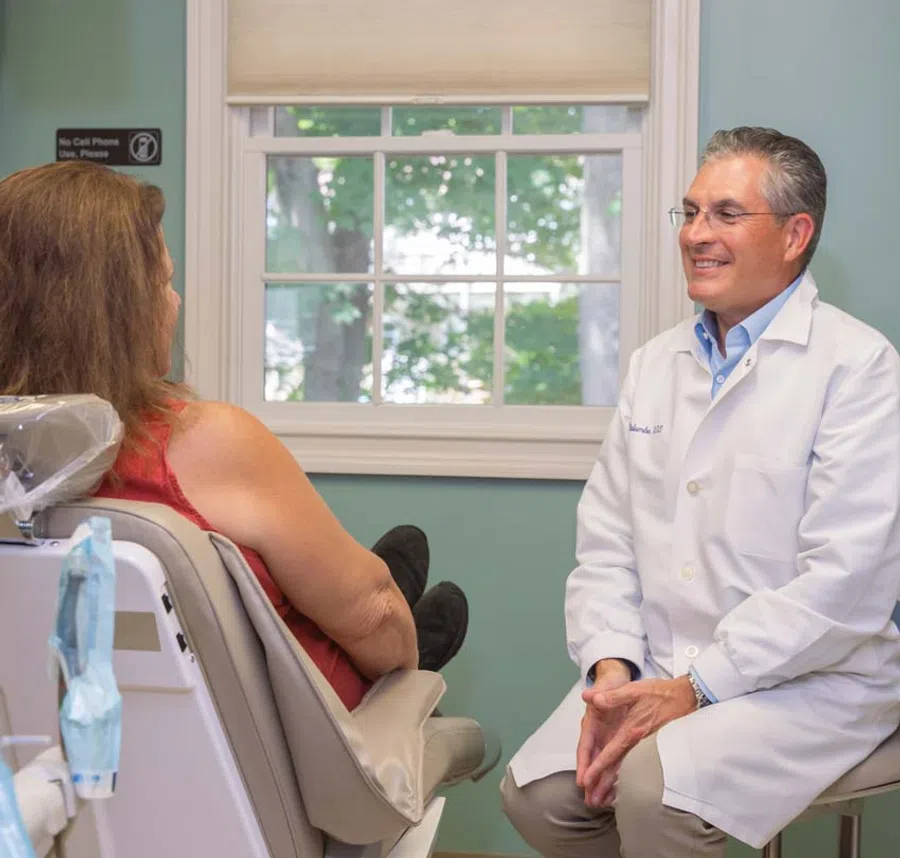
Save Time by Visiting Us for Oral Surgery in East Lyme
Hearing you need oral surgery feels intimidating enough - but even more so if you have to visit an outside oral surgeon. You don't have to bounce between multiple offices for oral surgery in East Lyme. You can visit us for tooth extractions and bone grafting.
Whether you're preparing for implants or dentures or trying to prevent an infection from spreading, oral surgery can address the problem at its root. You'll know why surgery is the right next step and what's involved. You'll walk away with relief from discomfort and a clear path toward a fully functioning smile.
You'll also improve your overall well-being when you restore your oral health, as untreated infections or poor oral function can affect your whole body.
Explore Options for Your Dental Surgery
Surgery isn't a decision your dentist makes lightly. It comes after careful examination and use of advanced imaging to capture details of your mouth and jaw structure. You'll understand why we're recommending the procedure and how it benefits our oral health.
The main surgical procedures we perform include:
- Tooth Extractions for Infection Control - If you have a severe infection, removing the affected tooth can prevent it from spreading to other teeth. It will also relieve your dental pain.
- Bone Grafting - If bone loss has weakened your jaw, bone grafting rebuilds the foundation. You gain a strong jaw for future treatments, such as dental implants. Once you've healed, your jaw will be ready to support a stable, long-lasting implant.
- Extractions to Prepare for Restorations - Sometimes a tooth is too damaged or decayed to save. Removing it can make room for a restoration, like a bridge or denture.
Oral surgery can sound more intimidating than it actually feels, especially with the right comfort measures in place. You can settle in with a warm blanket and a soft pillow to make the environment feel more relaxing. Ceiling-mounted TVs are available to help distract you with your favorite shows. You can also bring your own headphones to listen to music or a podcast of your choice.
If you'd like additional support, sedation options are also available to help calm your nerves before and during your procedure. Between the amenities and the sedation choices, you have real control over how comfortable your oral surgery in East Lyme feels from start to finish.
Common Questions About Oral Surgery
Q Why would you need oral surgery?
Oral surgery may be recommended to stop the spread of infection, strengthen your jawbone before implants, or remove a tooth that's too damaged to save. Your dentist explores your specific situation using advanced imaging before recommending this option. Surgery is typically suggested only when it's the most effective way to protect your oral health.
Q Do you need to see an outside specialist for oral surgery?
Not all dental practices perform oral surgery, but some do offer some procedures in-house, like tooth extractions and bone grafting. Based on what your dental practice offers, there may be no need for a referral to a separate oral surgeon. Visiting your primary dentist for oral surgery means your care stays with a familiar team, and scheduling is simplified.
Q Is oral surgery painful?
Oral surgery is not painful. It's performed with your comfort as a priority, including local anesthesia and sedation options if needed. Amenities that ease anxiety can also help make the experience more relaxing. Most patients find the procedure more manageable than they expected.
Q How do you know if you need oral surgery?
Signs you may need oral surgery include persistent pain, visible damage, infection, or a dentist's recommendation following an exam or imaging. Your dentist will explain the reasoning behind any recommended procedure. In many cases, surgery is considered only after more conservative treatments have been ruled out.
Q What comfort options are available during oral surgery?
Many dental practices offer amenities like blankets, pillows, or entertainment to help you feel more relaxed during your procedure. Some also allow you to bring your own headphones to listen to music or podcasts during treatment. If you'd like additional support, sedation options are often available to help calm your nerves.
Q How long does it take to recover from oral surgery?
Recovery time from oral surgery varies depending on the specific procedure and your individual healing process. Some procedures involve a shorter recovery period, while others may take longer to fully heal. Your dentist will give you a realistic timeline and clear aftercare instructions based on your treatment. Following this guidance closely helps support a smoother, faster recovery.
Q What should you expect during a consultation for oral surgery?
During your oral surgery consultation, your dentist uses advanced imaging to evaluate your specific situation and explain what's happening in your mouth. You'll have the chance to ask questions and understand each step of the recommended procedure. This helps you feel informed and prepared going into treatment. Your dentist will also walk you through what to expect during recovery.
Q Can oral surgery help protect your long-term oral health?
Oral surgery often plays a role in protecting your oral health over the long term. Addressing these concerns early can help prevent more serious complications down the road. Your dentist can explain how a specific procedure fits into your broader oral health goals. Taking care of these issues promptly often leads to a smoother, more successful outcome.